Request a Quote

Modules

Industries

Seamless Apps. Powerful Results

ERPNext vs Microsoft Dynamics 365:

Affordable Cloud ERP

ERPNext is a faster, affordable, and customizable cloud ERP alternative to Microsoft Dynamics 365.

Get Started

ERPNext vs Microsoft Dynamics 365: Cloud ERP Comparison

Compare ERPNext and Microsoft Dynamics 365 to find a scalable, cost-effective cloud ERP with built-in modules, easy customization, and faster deployment.

6 POWERFUL FEATURES

Why Choosing the Right ERP Matters for Your Business

Choosing the right ERP system directly impacts

Smart Lead Tracking

Track every lead, score them automatically, and never miss an opportunity.

Unified Conversations

Email, SMS, and chat — all in one place for complete customer history.

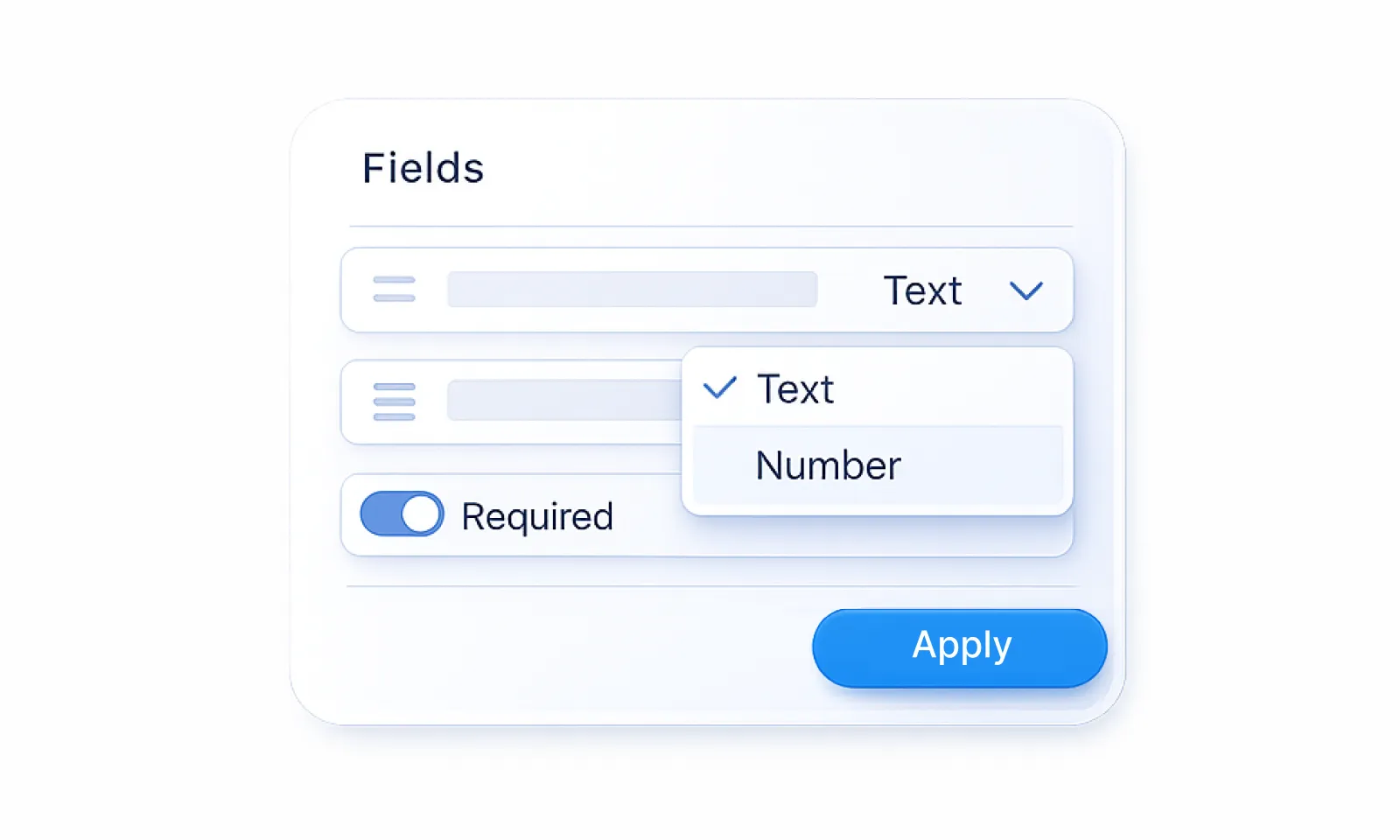
Custom Workflows

Build forms, fields, and processes your way. No compromises.

Smart Automation

Automate tasks, follow-ups, and approvals. Focus on closing deals.

Visual Pipelines

See your entire sales process in one glance with drag-and-drop ease.

50+ Integrations

Connect seamlessly with tools you already use — calendars, email, and business apps.

Why Businesses Compare ERPNext and Microsoft Dynamics

Businesses compare ERPNext and Microsoft Dynamics to identify a flexible, affordable, and scalable cloud ERP that supports long-term growth without high licensing complexity.

Business Analysis

Understand your business needs and identify the right ERP strategy for maximum impact.

ERP Implementation

Deploy ERPNext tailored to your workflows — fast, efficient, and with minimal disruption.

Customization

Adapt ERP features to match your industry-specific processes and business goals.

Integration

Connect ERPNext with third-party tools like payment gateways, CRMs, or e-commerce platforms.

Data Migration

Securely transfer your legacy data into ERPNext without loss or duplication.

Support & Maintenance

Ensure smooth, ongoing ERP operations with expert support and timely updates.

01

Cost Barrier Removal

To avoid high licensing and per-user costs of Microsoft Dynamics

02

Module Parity Check

To compare ERPNext’s built-in modules vs Dynamics’ paid extensions

03

Rapid Go-Live

To achieve faster ERP implementation and deployment timelines  

04

Expense Reduction

To reduce long-term ERP ownership and upgrade expenses

05

Build Without Limits

To adopt an ERP with easier customization, automation, and integrations

06

Vendor Independence

To eliminate lock-in and maintain long-term control over your ERP system

Your Flexible, Affordable Business Solution

ERPNext vs QuickBooks: Essential Differences in ERP Capability

ERPNext delivers an all-in-one cloud ERP with automation and scalability, while QuickBooks remains focused on accounting—making ERPNext the better choice for growing businesses.

ERPNext

vs

Traditional Software

Feature

ERPNext

Microsoft Dynamics 365

Cost

Fully open-source, no licensing fees

High licensing & per-user subscription

Implementation Time

Fast (4–12 weeks)

Slow (3–6+ months)

Customization

Easy, flexible, developer-friendly

Complex, consultant-driven

User Experience

Clean, simple, modern UI

Enterprise-heavy, training-intensive

Industry Fit

Manufacturing, Trading, Retail, Services, Healthcare, Education

Large enterprises

Integration

Easy with Frappe APIs

Requires Microsoft ecosystem tools

Maintenance

Low cost

High AMC & upgrade costs

Deployment

Cloud, On-Prem, Hybrid

Primarily cloud-based

Our Research-Driven Design Process

We follow a structured, iterative process that uncovers valuable insights and translates them into effective design solutions.

Planning

We establish research goals, questions, and methodologies aligned with your business objectives.

Research Plan

Participant Recruitment Criteria

Interview Guides

Test Plan

Research

We conduct primary and secondary research using qualitative and quantitative methods.
User Interviews

Surveys

Competitive Analysis

Heuristic Evaluation

Analysis

We synthesize research data to identify patterns, insights, and opportunities.

Affinity Diagrams

User Personas

Journey Maps

Insight Reports

Wireframing

We translate research insights into visual concepts that address user needs.

Information Architecture

User Flows
Wireframes
Interactive Prototypes

Validation

We test wireframes with users to validate solutions before development.
Usability Testing
Preference Testing
Validation Report
Iteration Plan

Still Comparing ERPNext vs Microsoft Dynamics? Let Us Help.

See how ERPNext compares to other ERPs with expert guidance from Tridots Tech.

Book a Demo

Faq's

Common Questions & Answers

Get the clarity you need with these commonly asked questions.

Is ERPNext a good alternative to Microsoft Dynamics 365?

Yes, ERPNext is a cost-effective cloud ERP alternative with faster deployment and easier customization.

Why is ERPNext cheaper than Microsoft Dynamics 365?

ERPNext is open-source and has no licensing or per-user fees, which lowers overall ERP costs.

Which ERP is better for small and mid-sized businesses?

ERPNext is better suited for SMBs because it is flexible, affordable, and easy to scale.
Does ERPNext offer the same features as Microsoft Dynamics 365?
Yes, ERPNext includes accounting, inventory, HR, CRM, manufacturing, and automation in one system.
How long does ERPNext implementation take compared to Dynamics 365?
ERPNext can go live in weeks, while Microsoft Dynamics usually takes several months.

Is ERPNext cloud-based like Microsoft Dynamics 365?

Yes, ERPNext supports cloud, on-premise, and hybrid ERP deployment.

Can ERPNext handle manufacturing and multi-location businesses?

Yes, ERPNext is widely used for manufacturing and multi-branch business operations.
Is ERPNext easier to customize than Microsoft Dynamics?
Yes, ERPNext allows easier workflow and feature customization without heavy consulting.